Health & Safety

Falls prevention, medication, infection control, fire safety, clinical care in care homes.

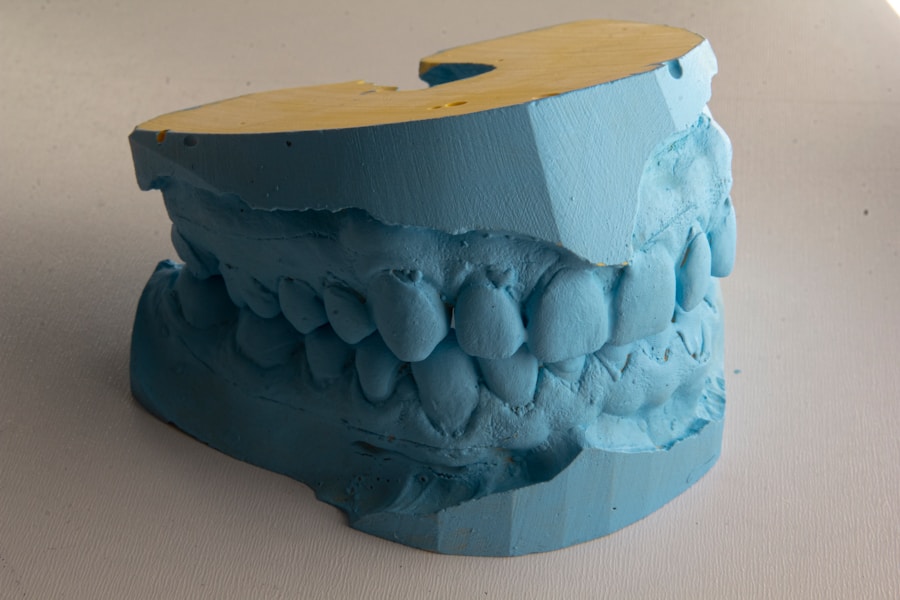
Don\’t Let Your Dentures Get Mixed Up: Tips for Effective Labelling and Storage

Proper labelling and storage of dentures are crucial for maintaining their hygiene, safety, and longevity. Labelling your dentures effectively ensures that they are easily identifiable and distinguishable from other dental appliances. This is particularly important in a shared living environment, such as a care home or assisted living facility, where multiple individuals may have dentures. […]

Don\’t Let Your Dentures Get Mixed Up: Tips for Effective Labelling and Storage Read More »
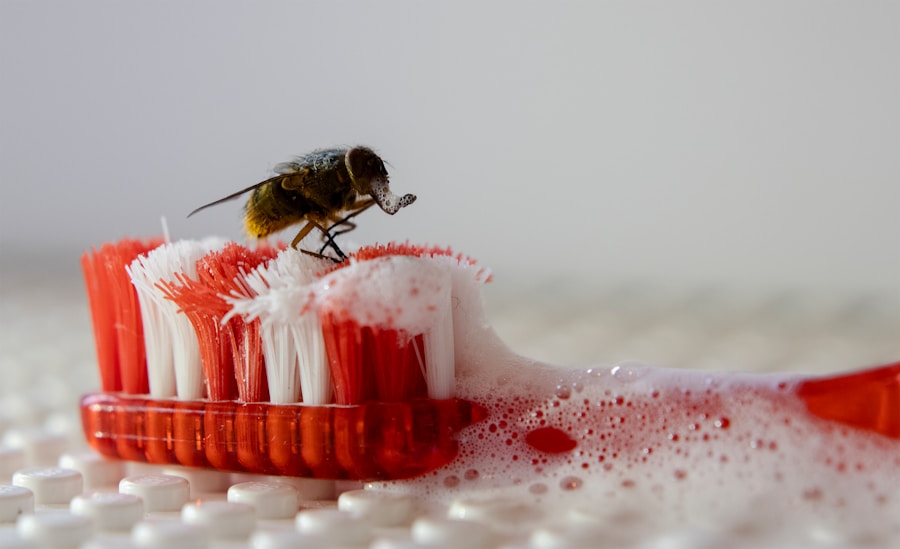
The Ultimate Guide to Mouth Care: How to Prevent Infections and Keep Your Smile Healthy

Maintaining good oral hygiene is crucial for overall health and well-being. The mouth is the gateway to the body, and poor oral health can lead to a variety of health issues, including gum disease, infections, and even heart disease. Proper mouth care not only helps to prevent these issues but also promotes a healthy and

The Ultimate Guide to Mouth Care: How to Prevent Infections and Keep Your Smile Healthy Read More »

Protecting Your Loved Ones: Understanding Sharps Safety and Needle-Stick Incidents

Sharps safety is a critical aspect of healthcare and public health, as it pertains to the safe handling and disposal of medical sharps, such as needles, syringes, and lancets. The importance of sharps safety cannot be overstated, as needle-stick injuries can result in serious health risks, including the transmission of bloodborne pathogens such as HIV,

Protecting Your Loved Ones: Understanding Sharps Safety and Needle-Stick Incidents Read More »

Managing Ostomy Care in a Care Home: A Complete Guide to Routine and Supplies

Ostomy care in a care home is a crucial aspect of providing quality care for residents with ostomies. An ostomy is a surgical procedure that creates an opening in the body for the discharge of waste, and it is often necessary for individuals who have had surgery to remove part of their digestive or urinary

Managing Ostomy Care in a Care Home: A Complete Guide to Routine and Supplies Read More »

The Importance of Daily Catheter Care: Preventing CAUTI with Simple Checks

CAUTI, or Catheter-Associated Urinary Tract Infection, is a common healthcare-associated infection that occurs when bacteria enters the urinary tract through a catheter. It is a serious and potentially life-threatening condition that can lead to complications such as sepsis, kidney damage, and even death if left untreated. CAUTI is a significant concern in healthcare settings, as

The Importance of Daily Catheter Care: Preventing CAUTI with Simple Checks Read More »

Cracking the Code: How to Assess Pressure Sore Risk with Waterlow and Braden Scores

Pressure sores, also known as bedsores or pressure ulcers, are a common problem for individuals who are bedridden or have limited mobility. These sores develop when there is prolonged pressure on the skin, leading to reduced blood flow and tissue damage. The most common areas for pressure sores to develop are over bony prominences such

Cracking the Code: How to Assess Pressure Sore Risk with Waterlow and Braden Scores Read More »

Enhancing Mealtime Safety with IDDSI Levels: A Comprehensive Guide

The International Dysphagia Diet Standardisation Initiative (IDDSI) is a global effort to standardise the terminology and definitions used for texture-modified foods and thickened liquids for individuals with dysphagia. Dysphagia is a condition that affects a person’s ability to swallow, and it can lead to serious health complications if not managed properly. The IDDSI framework provides

Enhancing Mealtime Safety with IDDSI Levels: A Comprehensive Guide Read More »

Breaking Down the Barriers: Simplifying Pain Assessment with PAINAD and Other User-Friendly Tools

Pain assessment is a critical component of patient care, as it allows healthcare professionals to understand and address the needs of their patients. Effective pain assessment is essential for providing appropriate pain management and improving the overall quality of care. When pain is not adequately assessed, it can lead to unnecessary suffering, decreased quality of

Breaking Down the Barriers: Simplifying Pain Assessment with PAINAD and Other User-Friendly Tools Read More »

PRN Medicines: How Staff Can Ensure Safe and Responsible Use

PRN medicines, also known as “as needed” medications, are drugs that are not taken on a regular schedule, but rather as the need arises. These medications are commonly used to manage symptoms such as pain, anxiety, nausea, and insomnia. PRN medications can be prescribed for a variety of conditions, including chronic illnesses, acute injuries, and

PRN Medicines: How Staff Can Ensure Safe and Responsible Use Read More »

Empowering Families: A Guide to Interpreting NEWS2 Early Warning Scores in Care Homes

In the healthcare industry, early warning scores play a crucial role in identifying patients who are at risk of deteriorating health. NEWS2, which stands for National Early Warning Score 2, is a tool used to assess the severity of a patient’s illness and to trigger a timely response from healthcare professionals. It takes into account

Empowering Families: A Guide to Interpreting NEWS2 Early Warning Scores in Care Homes Read More »